

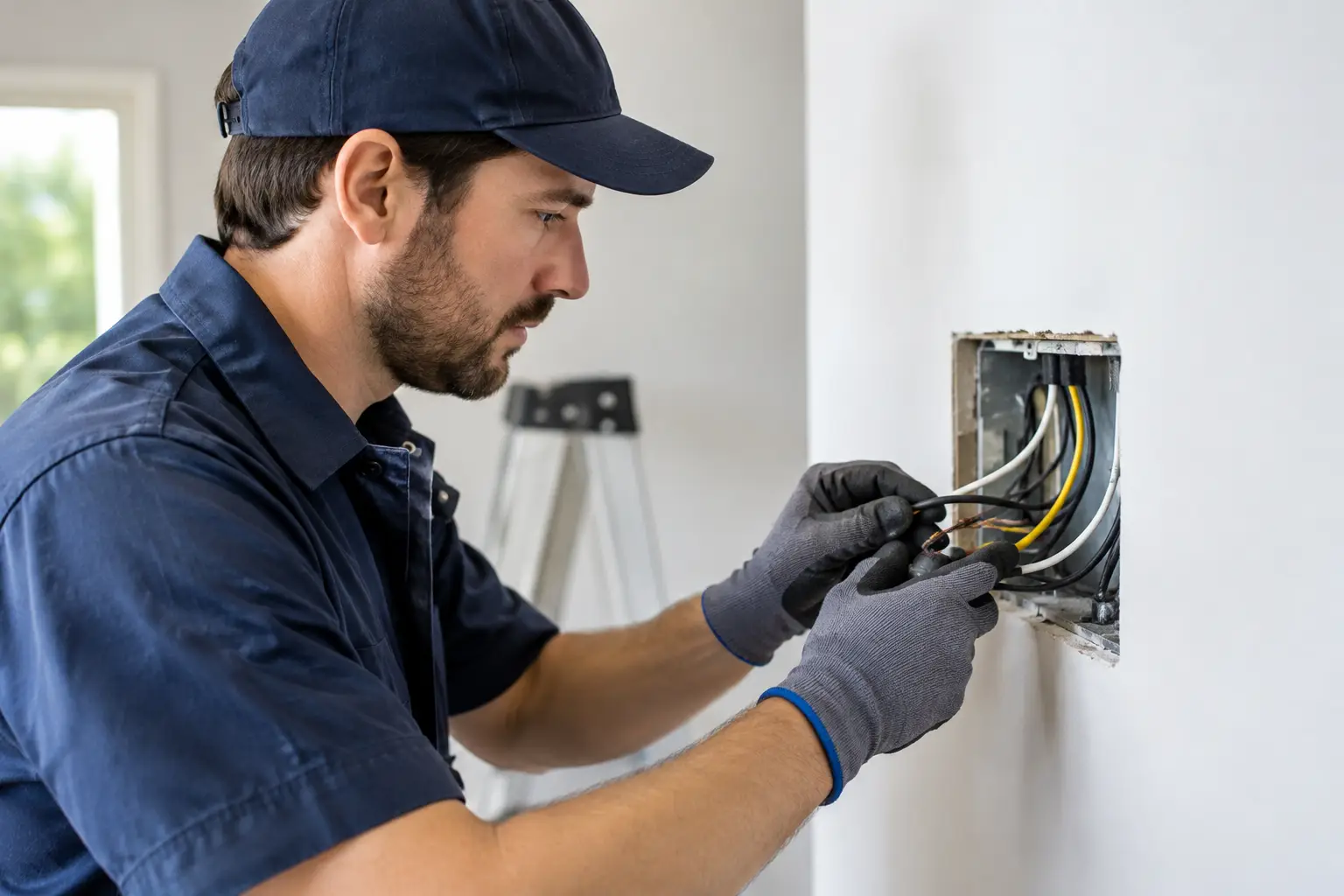
A breaker that trips once after running a space heater is usually doing its job. A breaker that trips repeatedly, lights that dim when the microwave starts, or an outlet that feels warm is different. Those clues can leave homeowners asking, when should wiring be replaced rather than simply resetting a breaker or swapping an outlet.
The answer depends on the condition of the wiring, the age and design of the electrical system, and what is happening in your home right now. Wiring does not come with a fixed expiration date. Many homes have safe, serviceable wiring for decades, while a newer home can develop a serious problem from damaged cables, poor connections, or an overloaded circuit. The goal is not to replace wiring based on age alone. It is to recognize when the system can no longer operate safely or support the way your household uses electricity.
When Should Wiring Be Replaced?
Wiring should be replaced when it is damaged, unsafe, improperly installed, or unable to reliably handle your home’s electrical needs. A licensed electrician should make that call after inspecting the system, but homeowners can spot warning signs early and know when to stop troubleshooting.
Some electrical problems come from a single worn outlet, loose connection, failed breaker, or appliance issue. Those may be repairable without rewiring an entire room or house. Whole-home rewiring is a larger project, so it should solve a confirmed system-level problem, not just a frustrating symptom.
That said, electrical issues can create shock and fire hazards. If you smell burning, see smoke or sparks, hear persistent crackling, or find a hot outlet, switch off power at the breaker if you can do so safely. Do not use that circuit again. Call a licensed electrician promptly, and call emergency services if there is an active fire or smoke.
Warning Signs Your Home’s Wiring Needs Attention
One warning sign does not always mean every wire behind the wall must be replaced. Several signs together, especially in an older home, are a strong reason to schedule an inspection. Related: How to Replace an Outlet Myself Safely at Home
Frequent breaker trips or blown fuses
Breakers trip to stop wires from overheating when too much current flows. A trip after plugging several high-demand appliances into one circuit may point to overload. Try reducing the load first. For example, avoid running a portable heater, hair dryer, and vacuum on the same circuit.
But a breaker that trips with normal use, trips immediately after being reset, or trips even when little is plugged in needs professional attention. The cause could be a short circuit, damaged insulation, a loose connection, a failing appliance, or undersized wiring. Do not keep resetting the breaker to make the problem disappear.
If your home still uses a fuse box, a blown fuse carries the same message: something exceeded the circuit’s safe limit or a fault is present. Never replace a fuse with one rated for more amperage than the circuit calls for. That defeats the protection the fuse is meant to provide.
Warm, discolored, buzzing, or loose outlets
Outlets and switches should stay cool, sit firmly in the wall, and operate quietly. A warm faceplate, brown or black discoloration, buzzing sound, burning odor, visible sparks, or a plug that falls out can indicate a poor connection or overheating.
Sometimes the fix is limited to replacing a worn receptacle or repairing a connection in the electrical box. If multiple outlets show similar problems, the issue may extend farther back on the circuit. Turn off the breaker, leave the outlet alone, and have it inspected.
Flickering or dimming lights
A light that flickers may have a loose bulb, an aging LED bulb, or an incompatible dimmer. Those are relatively simple possibilities. However, lights that dim or flicker across several rooms, brighten unexpectedly, or react when major appliances turn on can point to loose wiring connections or a problem with the electrical service.
Pay close attention if the issue affects more than one circuit. A loose neutral connection can damage electronics and may create a significant hazard. This is not a DIY repair.
Frayed insulation, rodent damage, or water exposure
Visible cable damage in an attic, crawlspace, basement, or garage should be taken seriously. Rodents can chew insulation. Nails or screws driven during remodeling can pierce cables. Water from a leak or flood can corrode electrical connections and compromise equipment.
Do not touch exposed conductors or try to wrap damaged wires with electrical tape as a permanent fix. The affected section may need replacement, and an electrician should check nearby wiring for hidden damage. Related: How to Use a Noncontact Voltage Tester Safely
Two-prong outlets and limited grounding
Older two-prong outlets often mean a circuit has no equipment grounding conductor. That does not automatically mean the wiring is dangerous, but it does limit protection for modern electronics and appliances. Replacing a two-prong receptacle with a three-prong one without providing a proper ground is unsafe and misleading.
Depending on the circuit and local code requirements, an electrician may recommend rewiring, a properly labeled GFCI solution, or another code-compliant upgrade. The right option depends on what is actually in the wall, not just what the outlet looks like.
Older Wiring That Deserves a Professional Inspection
Age alone is not a diagnosis, but certain wiring types and electrical systems deserve closer attention. If you bought an older home and do not know its electrical history, an inspection is a practical first step before planning renovations or adding heavy electrical loads.
Knob-and-tube wiring, common in some homes built before about 1950, lacks a grounding conductor and was not designed for modern household demand. It can sometimes remain in service under limited conditions, but alterations, damaged insulation, amateur repairs, and insulation packed around the wiring can raise safety concerns. Many homeowners choose replacement when renovating or upgrading the electrical system.
Aluminum branch-circuit wiring, used in some homes during the late 1960s and 1970s, requires special handling. Aluminum expands and contracts differently than copper, which can lead to loose connections if improper devices or installation methods were used. Do not assume it needs full replacement, but have an electrician experienced with aluminum wiring evaluate it.
Cloth-covered wiring, brittle insulation, ungrounded circuits, and panels with little remaining capacity are also reasons to investigate. An older system may work acceptably for lights and a few appliances yet struggle with central air conditioning, electric cooking, home office equipment, EV charging, or a finished basement.
Rewiring Is Not Always the First Fix
A full rewire can be worthwhile, but it is disruptive. Electricians may need to access walls, ceilings, attics, crawlspaces, and the main panel. In a home being remodeled, that access is often easier and less expensive than doing the same work after finishes are complete.
In other cases, a targeted repair is the smarter choice. An electrician may be able to replace a damaged cable run, correct a loose connection, add a dedicated circuit for a major appliance, upgrade a panel, or replace outdated outlets. A panel upgrade, for example, improves capacity and safety at the service equipment, but it does not automatically replace old branch wiring throughout the house.
Ask the electrician to explain the scope clearly: which circuits are unsafe, which components can be repaired, whether grounding is present, and what work is recommended now versus later. This helps you prioritize safety without paying for unnecessary work.
What Homeowners Can Safely Check First
You do not need to open electrical boxes or remove a panel cover to gather useful information. Start by noting what happens, where it happens, and what was running at the time. Is one outlet affected or an entire room? Does a breaker trip only when a certain appliance is used? Did the problem begin after a leak, remodeling project, or new appliance installation?
You can also check that bulbs are secure, unplug suspected appliances, and reset a tripped breaker once after reducing the load. A breaker that will not reset, or one that trips again, is telling you to stop and get help. Never hold a breaker in the on position, bypass a fuse, or increase a fuse rating.
For outlets near sinks, bathrooms, garages, unfinished basements, and outdoor areas, a tripped GFCI may be the issue. Pressing the reset button is reasonable if there are no signs of damage or moisture. If it will not reset or trips repeatedly, leave it off and schedule service.
Plan Replacement Around Your Home’s Future
If rewiring is recommended, consider upcoming needs before walls are closed. A kitchen renovation, addition, workshop, home office, electric dryer, heat pump, or EV charger can change the number and type of circuits your home needs. Planning ahead may reduce repeat work later.
A good electrical upgrade also focuses on protection, not just power. Modern circuits may need GFCI and AFCI protection in specific locations, along with properly sized breakers, grounded outlets, and enough dedicated circuits to prevent overloading. Requirements vary by location and project, so your electrician should follow the rules that apply in your area.
Take recurring electrical symptoms seriously, but do not assume the largest repair is automatically the right one. Write down what you notice, stop using anything that overheats or sparks, and get a licensed electrician’s diagnosis. That simple, careful approach gives you the confidence to protect your home without guessing behind the walls. Related: Extension Cord Safety: A Homeowners Guide
For more expert guides, visit Circuit Fixer.
Frequently Asked Questions
What causes When Should Wiring Be Replaced in Your Home??
This issue is usually caused by wiring problems, overloaded circuits, or faulty electrical components.
How to fix When Should Wiring Be Replaced in Your Home??
Start by checking the breaker panel, then inspect outlets, switches, and wiring connections carefully.
Is When Should Wiring Be Replaced in Your Home? dangerous?
Yes, it can be dangerous if ignored. Electrical issues can lead to fire risks or equipment damage.
Circuit Fixer provides expert electrical troubleshooting guides for homeowners in the USA.
Learn more about us at Circuit Fixer.
Author: Circuit Fixer Team
Expert Insight
This guide was created by the Circuit Fixer Team, specializing in electrical troubleshooting and home wiring solutions in the USA.
Our team works with real-world electrical issues including GFCI outlets, circuit breakers, and wiring faults.
Reviewed by: Electrical Safety Specialist

