

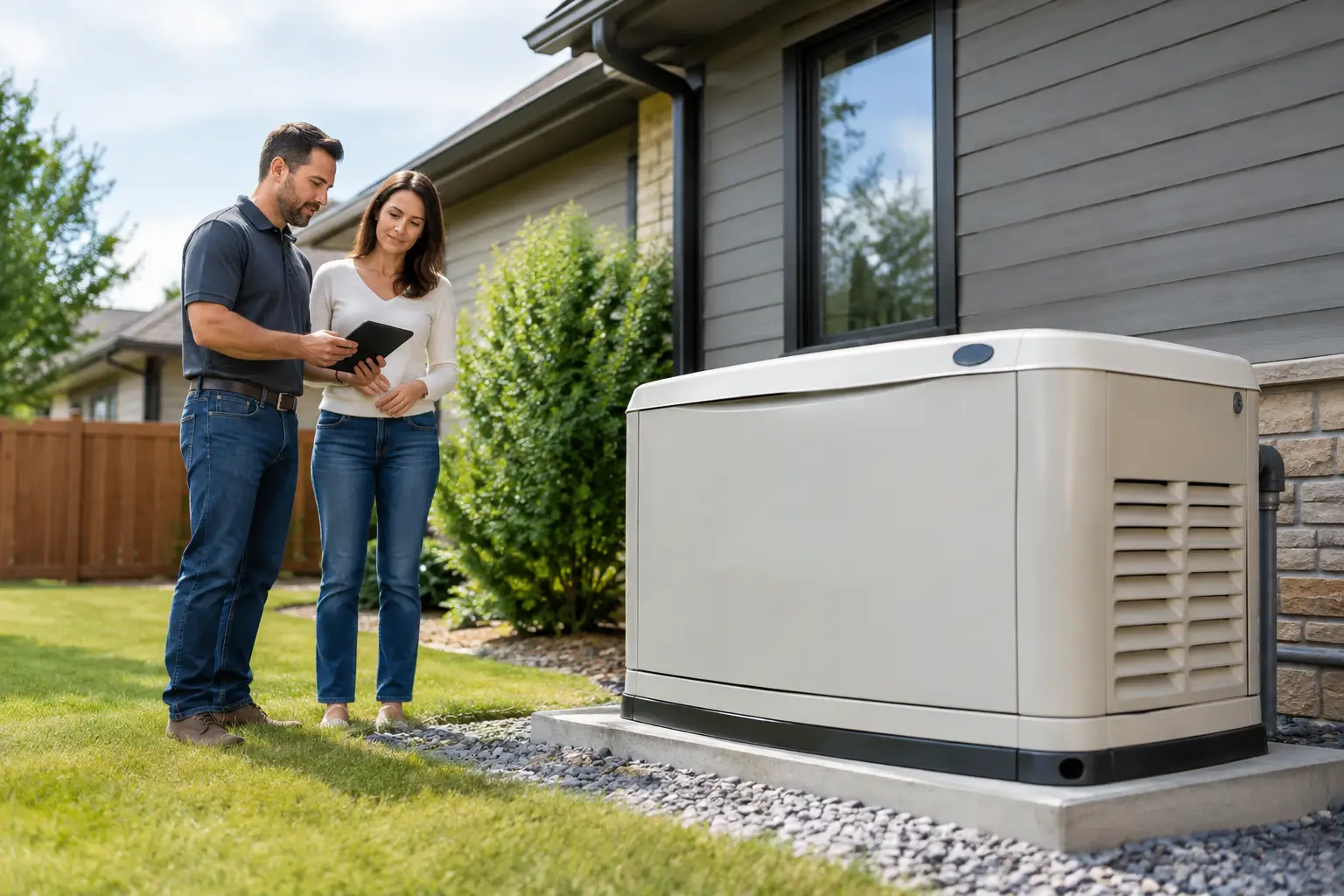
When the power goes out, backup generators can keep a refrigerator cold, protect a sump pump, provide light, and make a long outage far less stressful. But buying one based on the biggest wattage number or the lowest price can leave you with too little power, too much noise, or an unsafe setup. The right choice starts with deciding what your household truly needs to run when the utility power is off.
Start With the Outage Problems You Need to Solve
A backup generator does not need to power your whole house to be valuable. For many homeowners, keeping a few essential circuits running is the safest and most affordable plan. Think about the problems an outage creates in your home: spoiled food, no heat circulation, a flooded basement, loss of medical equipment, or no way to charge phones and communicate.
Write down the appliances and systems you would want during a typical outage. Most homes begin with refrigeration, a few lights, internet equipment, phone chargers, and either a sump pump or furnace blower. If you use a well pump, that may be a priority too. Central air conditioning, electric water heaters, electric ranges, clothes dryers, and whole-home electric heat require much more power and can quickly move you into a larger, permanently installed system.
Your plan may change by season. A portable generator that is enough for summer storm outages may not support the furnace blower, well pump, and essential kitchen appliances you need during a winter outage. It is better to make that decision before bad weather arrives.
How to Size Backup Generators Without Guessing
Generator capacity is measured in watts. Every item you plan to use has running watts, which are the power it needs while operating. Motors often need a higher burst of starting watts for a few seconds. Refrigerators, freezers, pumps, and furnace blowers are common examples.
Check the appliance label, owner’s manual, or manufacturer specifications for watts or amps. When only amps are listed, multiply amps by volts to estimate watts. Most standard household circuits are 120 volts. A 5-amp appliance on a 120-volt circuit uses roughly 600 watts.
Add the running wattage for the items that may operate at the same time. Then account for the highest starting-watt demand from a motor-driven appliance. Do not simply add every appliance in the home. A refrigerator cycles on and off, and you may be able to run a microwave only when a pump is not running. Still, leave some room for real-world use rather than choosing a generator that will always operate at its limit.
A basic essential-load plan might include:
- Refrigerator or freezer
- Sump pump, well pump, or furnace blower
- Several LED lights
- Modem, router, and phone chargers
- A microwave or coffee maker used one at a time
Small inverter generators may work well for limited loads and are often quieter and more fuel-efficient at low demand. A larger portable generator can support more circuits but is heavier, louder, and uses more fuel. A standby generator is designed to power selected circuits or, in some cases, the entire home automatically. It offers the most convenience, but installation costs are significantly higher.
If your calculation is close to a generator’s rated output, move up a size or reduce the number of loads you expect to run. Also look for both running and starting watt ratings. The larger starting number is helpful, but the running rating determines what the generator can support for hours at a time.
Portable, Inverter, or Standby Generator?
A conventional portable generator is usually the practical entry point for homeowners who want emergency power at a lower upfront cost. It can power appliances through heavy-duty extension cords or feed selected household circuits through a properly installed transfer switch. These units require manual setup, refueling, and safe outdoor placement.
Inverter generators produce cleaner, more stable power and are generally quieter. That makes them a strong fit for electronics, smaller essential loads, and neighborhoods where noise matters. They tend to cost more per watt, so they are not always the best value when you need to start a large well pump or run many household circuits.
Standby generators are permanently installed outside the home and commonly run on natural gas or propane. When paired with an automatic transfer switch, they can start shortly after an outage begins. This is a sensible option for households that experience frequent outages, rely on medical equipment, travel often, or need dependable power for a sump pump. It also requires professional electrical and fuel-system installation, permits, and ongoing service.
There is no single best type. A homeowner who needs refrigeration and a few lights several times a year may be well served by a portable inverter generator. A home with a finished basement, frequent flooding risk, and long outages has a stronger case for a standby system.
Fuel Choices Affect More Than Runtime
Gasoline is easy to find and is common for portable generators, but it has a limited storage life. Store it only in approved containers, away from ignition sources and living areas, and follow local limits. Rotate stored fuel so you are not relying on old gasoline when an outage occurs.
Propane stores longer than gasoline and burns cleanly, which can make it appealing for occasional-use equipment. However, propane output can drop in very cold conditions, and you need enough fuel on hand. Dual-fuel portable generators provide flexibility, but check their output rating on each fuel. A unit often produces fewer watts on propane than on gasoline.
Natural gas offers long-duration convenience for standby generators because it comes through a utility line. That convenience depends on local gas service remaining available during the emergency. A qualified installer must confirm that the gas line can supply the generator along with your existing appliances.
Run-time claims are also worth reading carefully. Manufacturers usually list runtime at a partial load, not with every planned appliance operating. A larger fuel tank can mean fewer refueling stops, but it also increases the weight and amount of fuel you must handle safely.
The Transfer Switch Is a Safety Device, Not an Add-On
Never connect a generator to a wall outlet or directly to your electrical panel using a homemade cord, sometimes called a backfeed cord. This can energize utility lines, injure or kill lineworkers, damage your generator, and create a fire hazard. It is dangerous even if you believe the main breaker is off.
A transfer switch or panel interlock is the correct way to connect a generator to home circuits. It physically separates utility power from generator power, preventing both sources from feeding the system at the same time. A licensed electrician should select and install this equipment, including the correct generator inlet and breaker arrangement for your panel.
A transfer switch also makes outages simpler. Instead of running extension cords through windows and doorways, you can power chosen circuits such as the refrigerator, basement lights, garage outlet, and furnace. Ask the electrician to label those circuits clearly and show you the operating sequence before an emergency happens.
Safe Generator Setup During an Outage
Carbon monoxide is the most immediate danger associated with portable generators. A generator must operate outdoors, far from doors, windows, vents, crawlspace openings, and attached garages. Never run one in a garage, basement, shed, carport, or enclosed porch, even with doors or windows open. Carbon monoxide has no color or smell, and fumes can enter a home faster than many people expect.
Keep working carbon monoxide alarms on every level of the home and near sleeping areas. Test them regularly and replace batteries or expired units as directed by the manufacturer. If an alarm sounds or anyone feels dizzy, nauseated, confused, or unusually tired, get everyone outside to fresh air and call emergency services.
Place the generator on a dry, level surface protected from standing water. Use outdoor-rated extension cords that are heavy enough for the appliance load and long enough to reach without stretching across walkways. Do not overload cords, and do not run them under rugs or through pinched windows and doors. Related: How to Reset GFCI Outlets Without Guessing
Before refueling, turn the generator off and let it cool. Spilled gasoline on a hot engine can ignite. Keep a suitable fire extinguisher nearby, and keep children and pets away from the operating area.
Test the Plan Before You Need It
A generator that has sat untouched for two years is not an emergency plan. It is an untested machine with old fuel and a dead battery waiting to disappoint you. Review the owner’s manual, start portable equipment on the recommended schedule, and run it long enough to confirm it carries your expected load.
For a standby system, follow the maintenance schedule for exercise cycles, oil changes, battery checks, and professional service. For portable units, inspect the oil, air filter, spark plug, fuel system, cords, and transfer equipment. Keep the manual, fuel supplies, and operating instructions together in a dry, easy-to-find place.
Practice with the household too. Make sure another adult knows where the generator is stored, how to move essential loads onto generator power, and which appliances must stay off. CircuitFixer encourages homeowners to treat this as a safety routine, not just a piece of equipment to buy. Related: How to Identify a Tripped GFCI Outlet Safely
The best generator setup is one you can operate calmly on a dark, rainy night without improvising. Choose the essential loads, install the right connection equipment, and practice the process while the lights are still on.
Related: 7 Signs Electrical Panel Needs Replacement
Visit Circuit Fixer homepage for more step-by-step guides.
Frequently Asked Questions
What causes Backup Generators: How to Choose the Right Size?
This issue is usually caused by wiring problems, overloaded circuits, or faulty electrical components.
How to fix Backup Generators: How to Choose the Right Size?
Start by checking the breaker panel, then inspect outlets, switches, and wiring connections carefully.
Is Backup Generators: How to Choose the Right Size dangerous?
Yes, it can be dangerous if ignored. Electrical issues can lead to fire risks or equipment damage.
Circuit Fixer provides expert electrical troubleshooting guides for homeowners in the USA.
Learn more about us at Circuit Fixer.
Author: Circuit Fixer Team
Expert Insight
This guide was created by the Circuit Fixer Team, specializing in electrical troubleshooting and home wiring solutions in the USA.
Our team works with real-world electrical issues including GFCI outlets, circuit breakers, and wiring faults.
Reviewed by: Electrical Safety Specialist

